 G
GPick the right dumpster size for your job
Three sizes covering everything from a single-room cleanout to a full demo. Not sure which one? The 30-yard is the most common choice for construction; the 15-yard is right for most household projects.
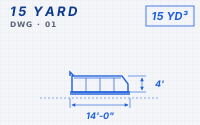
- Small home cleanouts
- Garage / attic clearing
- Single bath/kitchen remodel
- Yard waste & landscaping
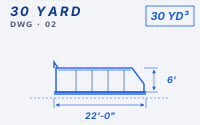
- Construction & demolition
- Roofing tear-offs
- Whole-home cleanouts
- Large remodels & renovations
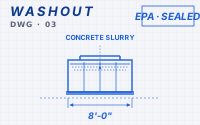
- Concrete pour cleanup
- Slurry & rinse-off containment
- EPA-compliant disposal
- Job site environmental control
How to pick the perfect size
Compare common job profiles to find the right dumpster size. Selecting the correct size up front prevents paying for extra weight or needing a second dumpster delivered.
| Your Project / Typical Use Case | Recommended Size | Why This Size? |
|---|---|---|
| Kitchen Remodel (Cabinet tear-out, counters, drywall) | 15-Yard | Easily fits residential remodeling debris and remains compact in a single driveway. |
| Whole-House Roof Tear-Off (Shingles & underlayment) | 30-Yard | Heavy shingle waste adds up fast; the 30-yard dumpster safely accommodates the bulk volume. See Cedar City roofing dumpsters. |
| Concrete-Only pour cleanup (Masonry, stucco, slurry, mixer rinse) | Concrete Washout | EPA regulations ban concrete runoff. This sealed slurry bin contains liquid washout perfectly. |
| Garage, Attic & Basement Cleanout (Boxes, old furniture, junk) | 15-Yard | Sufficient volume for standard household clutter without occupying excessive driveway space. See Cedar City junk removal dumpsters. |
| Light Demolition Debris (Cabinets, flooring, drywall, deck boards) | 30-Yard | We provide the roll-off for the debris; you or your crew handle the demo and loading. See Cedar City light demolition dumpsters. |
| Commercial Jobsite / Full Demolition (Lumber, framing, metal) | 30-Yard | Our workhorse option. Keeps active construction sites clean, safe, and code-compliant. |
Weight & Overage Explained
The biggest surprise with national dumpster chains is hidden fees. At G Roll-Offs, we believe in flat-rate, transparent pricing. The number on your quote is the number on your invoice.
Each dumpster size includes a set amount of base weight. If your debris exceeds this limit, we simply pass along the local landfill’s prorated tonnage fee. No administrative surcharges, no surprise penalties.
- What's Included: Delivery, placement, flexible rental, base weight allowance, and final disposal.
- Overage Triggers: Exceeding the base tons (2 tons for the 15-yard, 4 tons for the 30-yard).
- Prorated Billing: If you go over by 0.5 tons, you only pay for exactly 0.5 tons of landfill fees.
Common Debris Weight Estimates
What Can & Can't Go In
To comply with Utah EPA guidelines and landfill safety regulations, please review what materials are permitted in G Roll-Offs dumpsters.
You Can Toss
- Construction & demolition debris
- Household junk & furniture
- Yard waste, branches, dirt
- Roofing shingles & tear-off
- Drywall, lumber, flooring
- Appliances (no refrigerants)
You Can't Toss
- Hazardous waste / chemicals
- Paint, solvents, oil
- Tires & batteries
- Refrigerants (fridges, AC units)
- Asbestos / contaminated material
- Electronics (call for e-waste)
Still Unsure About the Right Size?
Text us a photo of your debris pile or project area at (435) 263-1565 and Eric will personally recommend the most cost-efficient size.
Text A Photo Now