 G
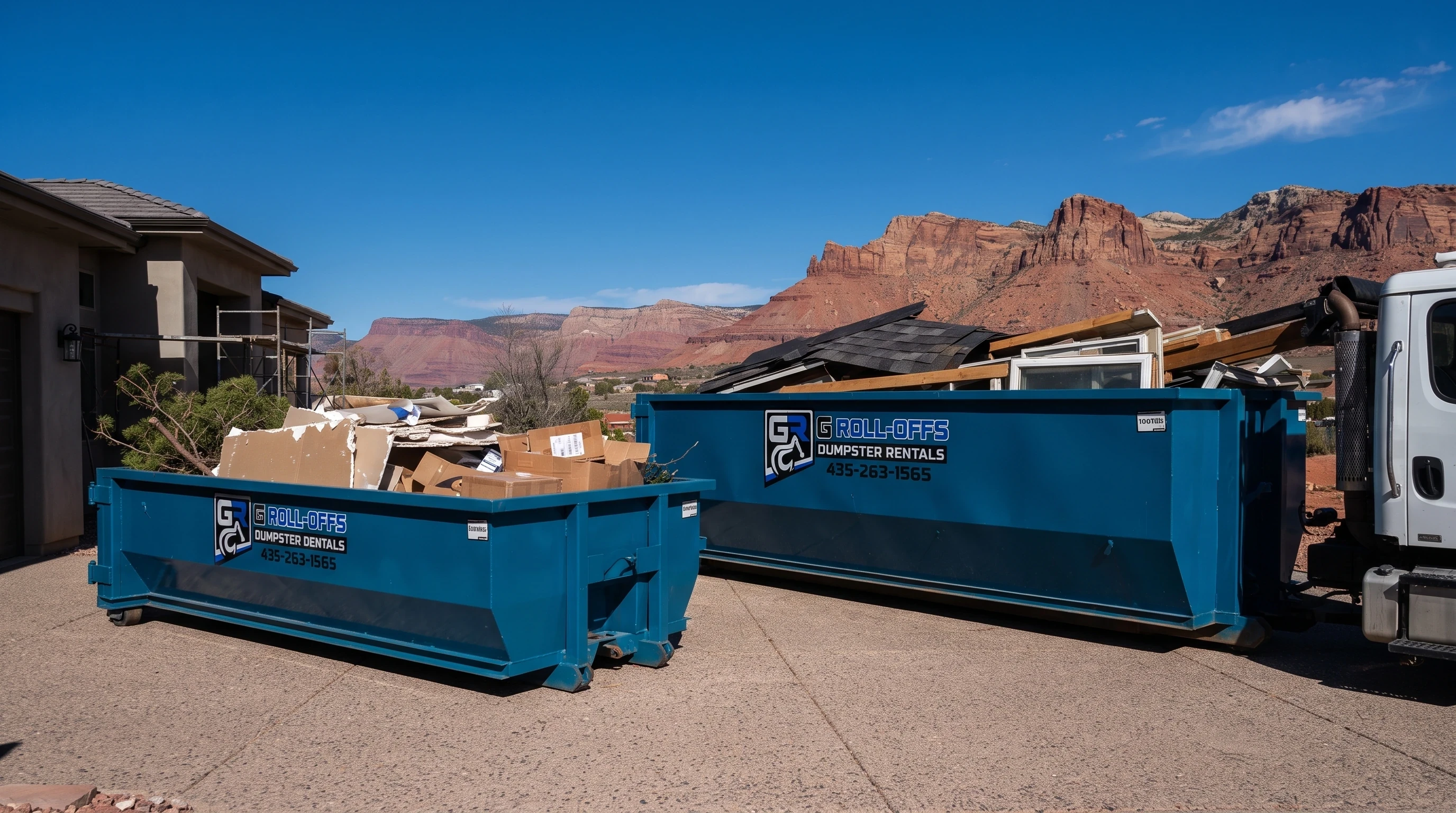
When people search for roll off services, they're usually picturing one thing: a big metal box dropped in a driveway. In practice, the phrase covers more ground than that. It includes different container sizes, different job types, and at least one bin that isn't really a dumpster at all. Knowing which one applies to your project before you book saves a round of "wait, that's not what I needed" once the truck shows up.
This guide walks through what actually falls under roll off dumpster services in Cedar City, how the categories differ, and how to figure out which one fits a given job.
What Falls Under Roll Off Services
At the most basic level, roll off services means renting a container to hold waste from a project, whether that's a home cleanout, a remodel, or a construction job. Online, that one phrase often hides two different businesses. The first is a self-load dumpster rental: the bin gets dropped off, you or your crew fill it at your own pace, and it gets hauled away once you're done. The second is full-service junk removal, where a crew shows up and does the loading themselves.
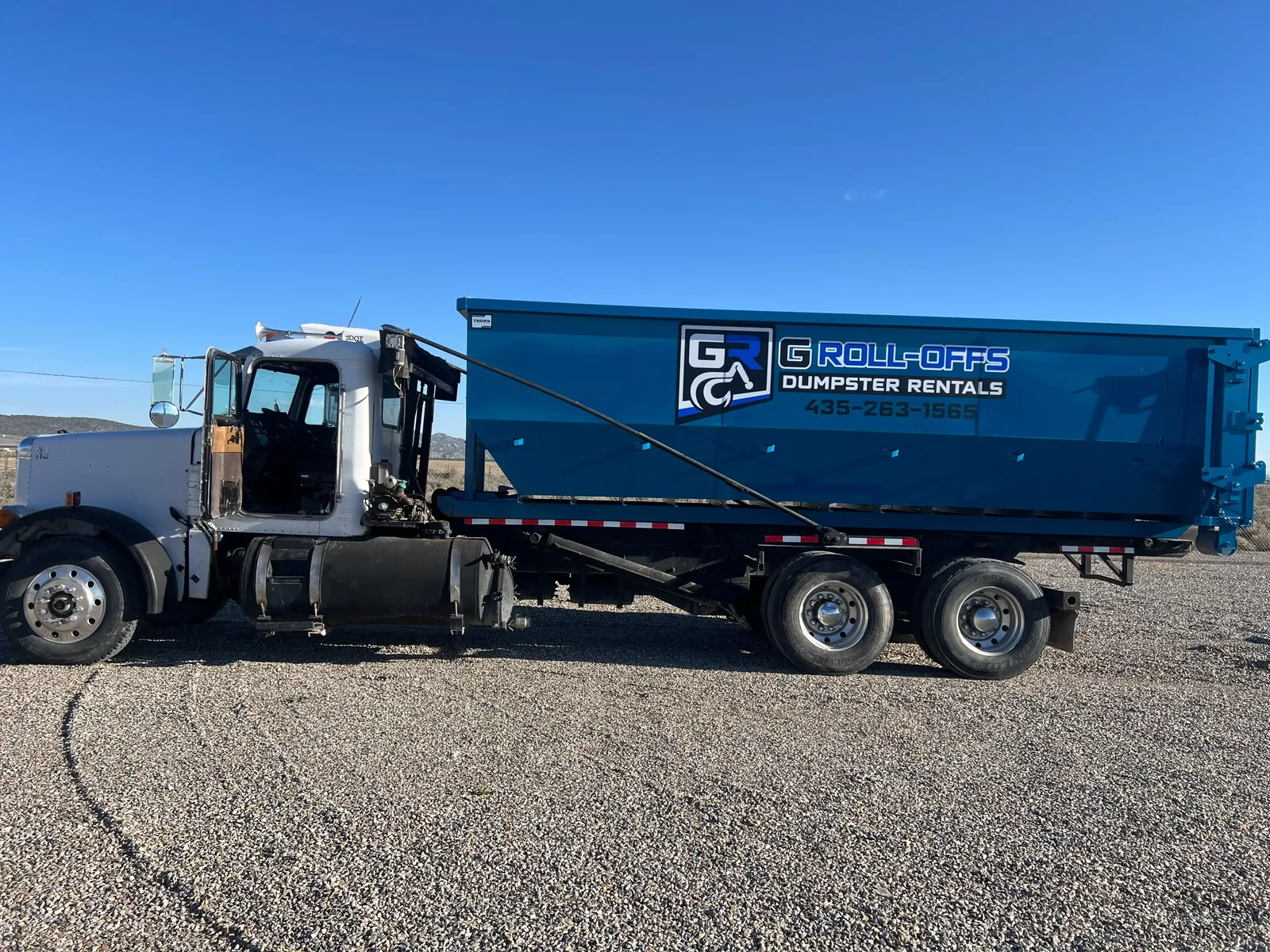
G Roll-Offs is the first kind. We rent the roll-off. You or your crew load it. We deliver and pick up. If you want a team to haul junk out of the house for you, that's a different service than what we provide. What we do cover is dumpsters for junk removal, cleanouts, remodel debris, roofing tear-off, and a dedicated concrete washout bin. We sit on the rental side of that line.
Home Cleanouts and Everyday Debris
The most common reason people search for roll off services is a home cleanout. Garage purges, attic cleanouts, rental property turnovers, and estate cleanups all fall into this bucket. These projects tend to generate a lot of volume but relatively light material: boxes, old furniture, worn-out household items, and general clutter rather than dense construction debris.
For most of these jobs, a 15-yard bin dropped in the driveway is enough. Fill it at your own pace, bring your own labor for the loading, and call it done when it's full. There's no requirement to finish in a day. The bin sits until the job is done. For a room-by-room plan, see our Cedar City home cleanout guide.
Light Demolition and Remodel Debris
A different category covers projects that generate heavier or bulkier debris: kitchen and bath tear-outs, flooring removal, deck debris, and general remodel mess. Here, we supply the container. You or your contractor handle the actual demo work and loading. This is where size starts to matter more, since remodel debris tends to be heavier per cubic yard than household junk. A bin that looked plenty big for a cleanout can fill up faster than expected once tile, drywall, or old cabinetry starts going in.
If you're gutting more than one room, or the load is mostly tile and drywall, look at the 30-yard. More on dumpsters for demo debris.
Roofing Tear-Offs
Roofing jobs get their own category for a reason. Shingles, underlayment, flashing, packaging, and general roof cleanup debris are dense and awkward to handle. A roofing crew typically handles the tear-off and loading themselves. We deliver and pick up the container. Because shingles and underlayment are heavier than most cleanout debris, this is another case where getting the size right up front matters more than it might seem.
Most roofing tear-offs in town land on a 30-yard. See dumpsters for roofers for the contractor-focused notes, and book with ?size=30 when that's the fit.
Concrete Washout: The One That's Different
Every category above uses a standard open-top roll-off. A concrete washout bin doesn't. It's a sealed container built specifically to hold concrete, not general debris, and it exists so slurry and rinse-off from a pour can go through EPA-compliant disposal rather than mixed in with a regular load. That's why it shows up as its own product when people compare types of roll off dumpsters.
Why Concrete Doesn't Go in a Regular Bin
Concrete washout wastewater is treated as a regulated pollutant under the EPA's stormwater program for construction sites, alongside things like fuel and vehicle-wash runoff. That's a different regulatory category than general household or remodel debris, which is why it needs its own contained bin rather than getting tossed into whatever roll-off is already on site. Contractors pouring concrete in Cedar City use the dedicated washout bin to keep that wastewater contained and out of stormwater runoff, rather than adding it to a general debris load. See concrete washout bin details and the EPA page on stormwater discharges from construction activities.
Book the washout with ?size=cw. Don't mix household junk or remodel scraps into it.
Matching the Service to the Job
With several categories under one umbrella term, picking the right one comes down to two questions: who is doing the loading, and how much debris are you actually generating?
If you're comfortable loading it yourself, a self-load dumpster covers cleanouts, remodels, and roofing debris. If you'd rather have someone else haul items out of the house, hire that crew separately. We still just rent the bin. A 15-yard handles most home cleanouts and lighter remodel work. A 30-yard is built for heavier loads like whole-home cleanouts, larger demolition jobs, and bigger roofing tear-offs. See our size guide or the dumpster sizes page.
Home cleanout or light junk: book a 15-yard. Whole-home, roofing, or heavy demo: book a 30-yard. Pour cleanup: book the washout.
Whichever category applies, G Roll-Offs runs the same terms across all of them: flat, transparent pricing with no contracts, same-day delivery when you book before 10 AM, and service across Cedar City, Parowan, Enoch, Kanarraville, Brian Head, and New Harmony. Booking online takes under two minutes, or call (435) 263-1565 and we'll help you figure out which service actually fits. Placement notes are in our dumpster delivery guide.